To the Church.

Now, I want to be clear – I am not taking aim at the church without being a part of the solution. I have been an active part of the American church for almost all of my life and I still am. But this all starts with people dropping their egos and biases and listening to what is happening around them – because much of the American church is not living out the Gospel.

I have seen my fair share of the church. I have been in big churches, little churches, church plants, foreign missions, Bible classes, etc. I know firsthand how difficult ministry is.  It is relational and it is dealing with the deepest and most vulnerable parts of people’s lives. I have immense respect for those whose profession is in the church and I pray daily for those that I know who are serving in ministry.

But I have some questions and challenges with the American church.

When did we start believing that we have the moral high ground? When did we stop living out the Gospel in both words and actions?

When we talk about the American church, we must look at society and the role of the church.  I think it is easy to see that 2020 has been a difficult year for everyone.  We are facing a worldwide pandemic, an election, the shutdown of ‘normal’ life, and we are dealing with racial issues that have long been overlooked in the United States. I would characterize that we are walking through a cultural revolution of sorts and that the church is largely not playing its role.  

Like many of us in 2020, I have taken an active step backward to listen to those around me, to ask questions and to seek perspectives in order to better inform my biases and to be a part of the solution.  What I didn’t expect was to come through the fact that church is part of the issue.  Every conversation I have had without fail has included a conversation about the church and its lack of awareness of the culture and its perpetuation of the issues rather than being part of the solution or being a voice of hope.  If we believe what we believe to be true, the Gospel, then we should be a voice of hope, especially in a worldwide pandemic, especially when race is a problem, especially when mental health is a concern.

You see, the Gospel speaks truth – in a worldwide pandemic – God is in control and is our hope in the unknown.  Amidst racial tensions – there is no place for racism – we were all created in the likeness and image of God and above all things we are called to love our neighbors.  That means we must walk alongside our black neighbors and call for justice and call for their voices to be heard regardless of how uncomfortable that may make us feel.  We are not called to comfortable lives or even lives where we are not wrong.  The church is in the wrong on this one.

There is no moral high ground and the more the church professes to have a moral high ground the clearer it is that we do not understand the Gospel – we ALL fall short.  It’s simple, everyone.  Timothy Keller states it this way “Christians can never feel morally superior to anyone else at all. That means (MAIN POINT) when we call out evildoing in others, as vital as that is, we can never imply by our attitude or language that they deserve God’s condemnation, but we do not. Right now, our very social fabric is tearing apart because of, among other things, increasing, mutual demonization’s ON BOTH SIDES.  Christians must not contribute to this in any way.”  

Am I holding the church to a higher standard?  Absolutely! We know better! Sure, we are just as fallen and just as sinful as anyone else, but we know better than to live out a Gospel that places us in a morally superior position than anyone else in society.   We are rather called to humility and to love in both our words and actions. That means understanding that while the church has been a part of racism, we must now be a part of the solution.  We must accept that for the most part the American church is seen as white and not sure how to handle women and mental health.  I also am very aware of the fact that in the Christian ‘culture’, that I am going against what is acceptable by naming and explaining where the church falls short. But if we are afraid to have the conversation and we are afraid to not accept that we, as the church, have made these issues in society deeper or are above them, then we, simply put, are in a place of privilege and showing even more so the exact problem our society has.  And we are not living out the Gospel in our actions.

To take this a step deeper, I do challenge those in the church to be an active part of the solution. Have the conversations and most of all to hold each other accountable and call for justice. If you are being held accountable for your words or actions respond with humility and the understanding that you could be wrong – for reconciliation is the fundamental basis of the Gospel – that we as fallen man (and woman) require reconciliation with a holy God via Christ. Understand that you cannot preach the Gospel from the pulpit and then in actions live out the opposite, that is dangerous and damaging and it is wrong.  It also happens more than we are willing to admit. Pastors do not hold a moral high ground. Period. Pastors, you must be a part of the solution and not hiding behind a position, you above all are held to a higher standard.  You are not a therapist.  You are not going to have all of the answers in the discussions that are being had; but you should be speaking the truth of the Gospel and in your actions living out grace, forgiveness, humility, and reconciliation.  You must not be afraid of your image or how many times you get it wrong in listening to what is happening to those around you and in your community.

Here is where we miss the point. If we preach the Gospel from the pulpit but we cannot reconcile within the church, then do we know the Gospel at all?  If we can speak truth, but then when it comes to disagreements we take a moral high ground then do we believe what we say? If we are image conscious and cannot accept that church leadership can be in the wrong, then we miss the humility of the Gospel and that we all fall short.  If we can speak against racism but yet do not seek out our black brothers and sisters or turn the microphone over to them, then do we understand that as humans we were granted a voice and that it is a powerful tool?  If we claim women have a place in the church, yet treat them differently or tell them their voices do not matter, then do we believe what we say? If we understand that mental health is something we must take seriously, then we must educate ourselves and understand that pastors are not the equivalent to therapists.

What is the solution? I hope this is heard loud and clear.  The church must be humble.  The church must seek forgiveness for its role in these issues, especially racism, and we must understand that in any position where forgiveness is required, trust is broken in some way shape or form.  Forgiveness does not rebuild trust.  Reconciliation, the end goal, does seek to repair the inevitable break of trust. But let’s be clear about this point, trust is only rebuilt by the one or ones who broke it.  Trust cannot be repaired or rebuilt by the one who did not break trust.  That means if we understand the Gospel correctly, it is not those who have been wronged that must seek out the church; but rather it is the church who must seek out those it has wronged and must seek to repair the broken trust with no expectation of anything in return. That is the Gospel.  Christ died on the cross for all and asked for nothing in return. We are reconciled to a holy God via the sacrifice of a holy Messiah. 

So, to the church.  All voices matter – even those you disagree with.  Even more so, you should be having conversations with those who you disagree with and those who do not seemingly fit into your mold.  These are the voices you need to hear and need to have humble conversations with.  The church was not meant to be insular; we were meant to be the opposite.  We were meant to speak the Gospel into the culture and to live out the Gospel in the culture; but right now, the church looks no different from the culture. The church is not being salt when the focus is inward and focused on keeping church members silenced or keeping control in uncertainty.  If you in places of leadership in the church cannot hear those in your community, then you cannot hear those outside of your church community and you are not living out the Gospel.  Stop protecting the Christian ‘culture’ and understand that the Christian ‘culture’ is part of the problem and that ‘culture’ must seek to be better informed.

I will be a bit personal in this blog post and say that this year I have greatly struggled with seeing the Gospel lived out more so from those who do not believe the Gospel than I have within the church. That is a humbling thing to see, because it tells us that God is speaking through other methods.  It also challenges me to look at myself and to my understanding and my own living out of the Gospel.  Where do we start? We start with taking a look at what forgiveness is.  We accept that we have committed wrongs and we humble ourselves to seek forgiveness and we begin the process of reconciliation.  We begin repairing trust by doing good. We seek justice, we call for justice, and we be a refuge for those in our society that have been discriminated against, hurt, or are not being heard.  We live out Micah 6:8 “He has told you, O man, what is good; and what does the Lord require of you but to act justly, to love mercy, and to walk humbly with your God.”  We abandon the moral superiority and we humble ourselves.
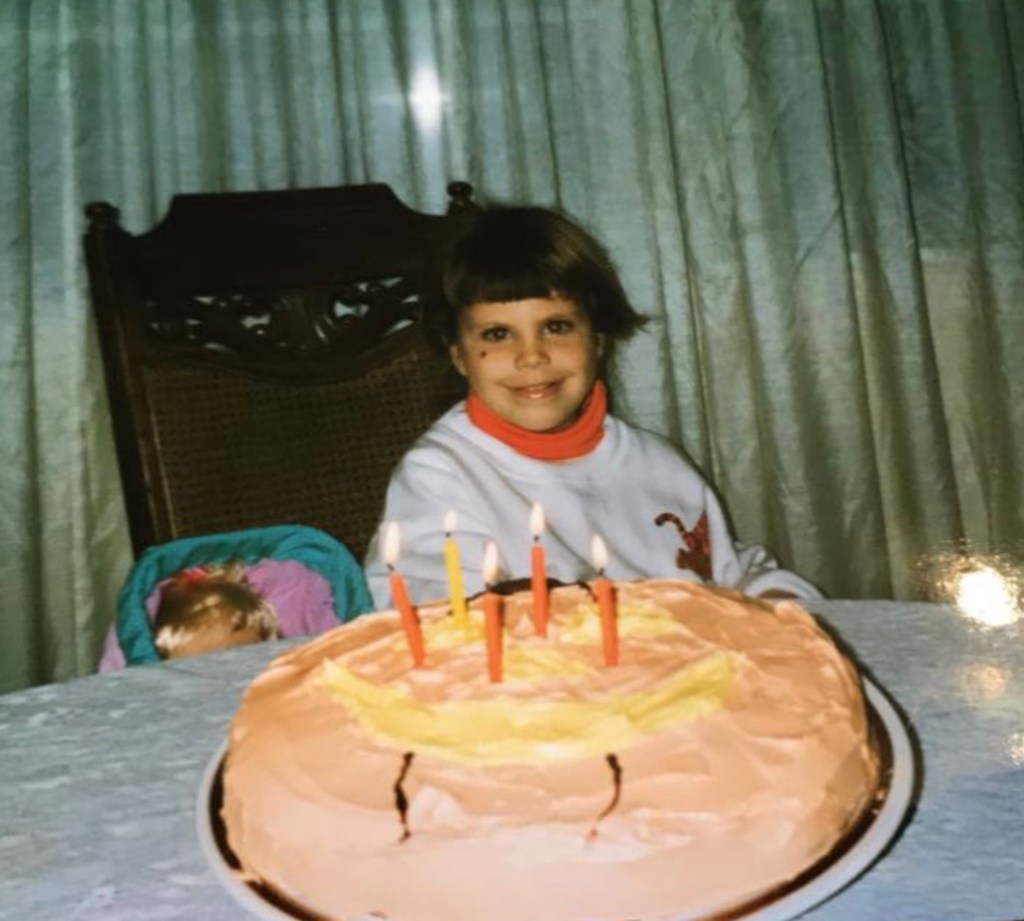
a letter to the girl I used to be.

Dear me,

There are some things you should know.  The difference between you and I, is that I have been given time; but in time you’ll see that the path you will have to walk is not an easy path. Some days I mourn the loss of you- the loss of your trusting nature, the loss of your gentle heart, the loss of the shy girl who was quick not to voice her opinion, the loss of your composure, the loss of your fearlessness. Some days I wish I was you.

I don’t write this to scare you, embarrass you, or frustrate you – but to fight for your heart in the midst of the path ahead.  Always remember how important it is to have tough skin and a soft heart; don’t ever lose sight of that.  Don’t ever let the world tell you otherwise; your heart is a gift.

The path you’re on will bring many great things.  You will have people in your life that are ride or dies.  You will meet some people that will, no matter the road ahead, make the choice to show up, pick you up off of the floor, let you cry or sit in silence or sleep on your couch when you’re too scared to close your eyes.  Be quick to notice those people- they are the most cherished gifts on this earth. They are the ones who will get you through the darkest of days. 

But dear, the nights are going to be long.  Learn to sleep when you can and to trust that you are safe when you close your eyes.  Let the tears come and be honest, for you are going to learn quick that when you come face-to-face with evil; you are forever changed.  You will spend a lifetime after those moments realizing the impact of evil.  But always remember God is near.  Remember that while the path is not welcomed, it is so important to stumble through it authentically – stop wearing the masks and allow your brokenness to stand; for when you are weak you are strong.  The world needs a lot more people who are willing to be weak. 

Somethings are going to shatter your heart.  Love at first sight is real and once in a lifetime; heartbreak is going to be around more often.  Your heart is going to get walked on.  Your trust is going to be broken.  But dear always choose to love again.  Do not wait around for any man, always choose to hope in love. Go on the date. Kiss the boy. Let your heart fall and always choose to fight for love no matter the cost. Those are the moments you will remember at the end of all of this – the moments where you chose love regardless of fear or the risk to your heart.

You’re going to learn quickly that women are treated differently in a man’s world.  You will become calloused, you will fight for your voice to exist, and you are going to be tough; but always show grace – to yourself and to others.  Your voice matters and you can trust your instincts despite the doubt or despite how you are treated.  You are placed in positions for just a time as this.  Be quick to come alongside other women – you are in this together. 

The path you are going to walk is going to give you a different perspective; one in which you will realize quickly that we are all just one moment away from trauma, one moment away from knowing death or knowing evil.  While those may bring you to your knees; learn to fight from there – only you have the ability to be fully broken – no one else has that power. 

Dear, stand in weakness, stand in the power of being authentic and loving despite the evil. 

Heartbreak

If you are like me, you’re ready for a little bit less social distancing and a little less time to process. I have not shied away from the fact that 2019 was the single hardest year of life. One that brought changes to every aspect of my life; love at first sight, health, safety, trauma, fear, betrayals, moves, travels. I questioned who I could trust, where my safety was, who would have my back as I fell apart, and where God was in the midst of it all. And then 2020 came, and January shattered my sense of respect and trust for people further, all while I was across the globe with no ability to play a part. But then February came, and March, and April, and May, and life went on. I still woke up the next day. The nights filled with tears and hyperventilating, the nights of nightmares and panic attacks, the nights of feeling my heart break in parts of me i didn’t know existed- didn’t stop the morning from coming. 

I am learning a lot (maybe too much) in this different pace of life amidst a global pandemic. I am learning that it’s okay to fall apart. It’s okay to mourn the things that hurt us. It’s okay to face the hard things. It’s okay to face ourselves and it’s okay to face others. That life will go on; tomorrow will come and you may not feel stronger but these are the days that we determine the grit within us to carry on. 

I used to think I was tough because I could walk through anything and separate my emotions from it or that I could simply power my way through the hard times- but now I understand how limited my view of strength was. I am stronger now because I understand what it is to be weak, that there is more strength in walking the difficult roads and facing the hurt than there is in running from it or pushing it for my future self to face. Strength is in accepting our humanity and our weakness and embracing that we may have this all wrong. I am not strong because I can compartmentalize. I am strong because I feel pain and betrayal and I choose to feel and forgive. I am not strong because I can spin a story for others to think more of me. I am strong because I can voice my pain and hurt and progress forward. 

Now I don’t have this all figured out and I never will, but I accept that I am weak and weary after a season of life that took more than it gave. I accept that a single person can take away my sense of safety. I  accept that in someone else’s brokenness my heart was and still is betrayed. I accept that some people cannot be trusted and that respect is a high quality to have these days. I accept that the ramifications of COVID-19 are overwhelming me and that I am burnt out. I accept that I am hurting. 

I think that is where we start. We accept the heartbreak and the hurt and we hope- for tomorrow will come. 

What happens when you make caring about people conditional.

I will save you some time and tell you upfront that I struggle with accepting love. I struggle with the fact that love and caring for someone isn’t conditional – that there is nothing I can do to gain or win love and affection. It’s deep rooted into the many circumstances of childhood and trauma in life; but it is a constant struggle and one that I am aware of. I can say all the right things and know the truth, but how that plays out in relationships isn’t always the same – so this is more for me than for anyone else.

The older I have gotten the more I have found that people have a tendency to place conditions on friendships, on relationships, on caring for people as a method of coping with unresolved trauma and safety measures not to be hurt in return. And while I fully stand behind boundaries, love knows no condition. If you give me a condition and call it love, I’ll raise you with a challenge that that isn’t love at all. Caring about someone, genuinely caring, about someone doesn’t know a condition; it simply is real.

Now, I have had my fair share of heartbreaks, my one love at first sight, and I have been cheated on – so I get the desire to want to protect my heart and that is a valid concern and a valid endeavor- but choosing to care about people and choosing to love someone else even after that, accepts risk and it accepts hurt if that goes wrong. It is inherent in being open and in relationships that people will let us down – but that doesn’t negate the endeavor to love and that doesn’t change whether we let people in with conditions or unconditionally. But what does change when we choose to love unconditionally is that we choose to love genuinely and we choose to lay aside wrongs, to lay aside hurts, and to love another broken person just like ourselves – because let’s face it; if you’re placing conditions on friendships, relationships, on caring about people, then you’re inherently placing those conditions on your own self and the way in which you love your self.

So from someone who knows a thing or two about feeling the need to do something to gain love, you don’t. Do not accept the lie that love has a condition. Do not accept that you’re not worthy of love and that you cannot love. We don’t deserve love, but that is what makes it so profound.

Travel

A lot of people have asked me lately how it is the travel and to be gone for long periods of time. So, let’s talk about it.

First, I am beyond grateful to be able to travel for work and I am beyond honored to do so for a cause I stand behind.  My heart is the world, it is people, it is cultures.  I feel at home in so many places throughout the world.

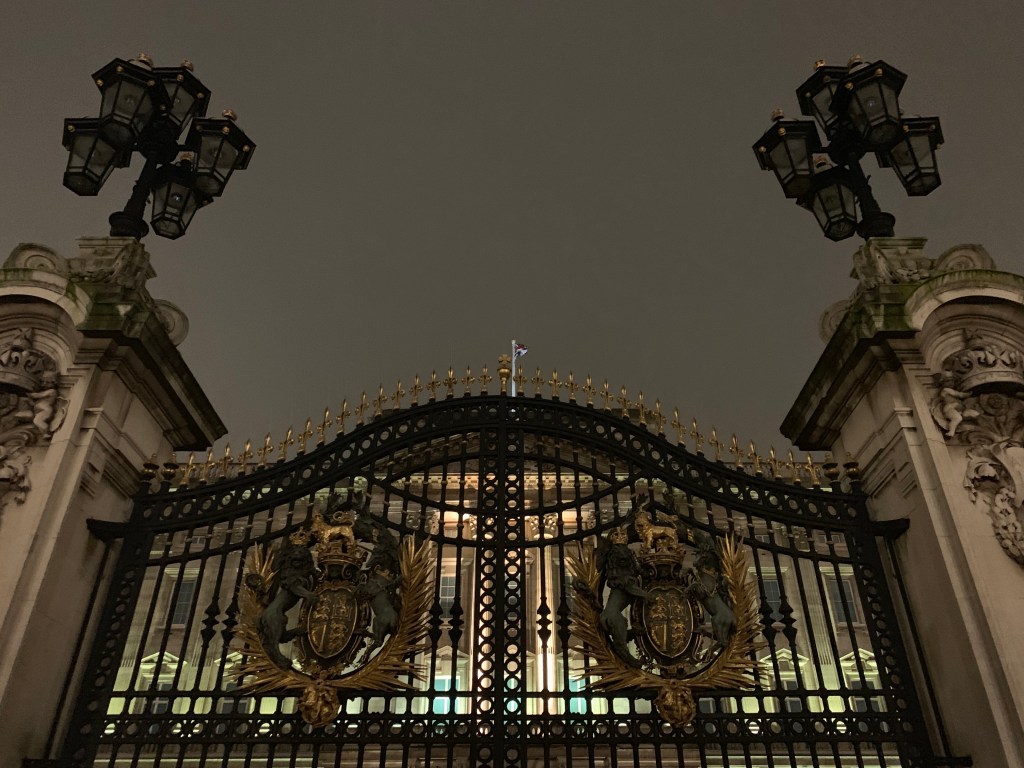
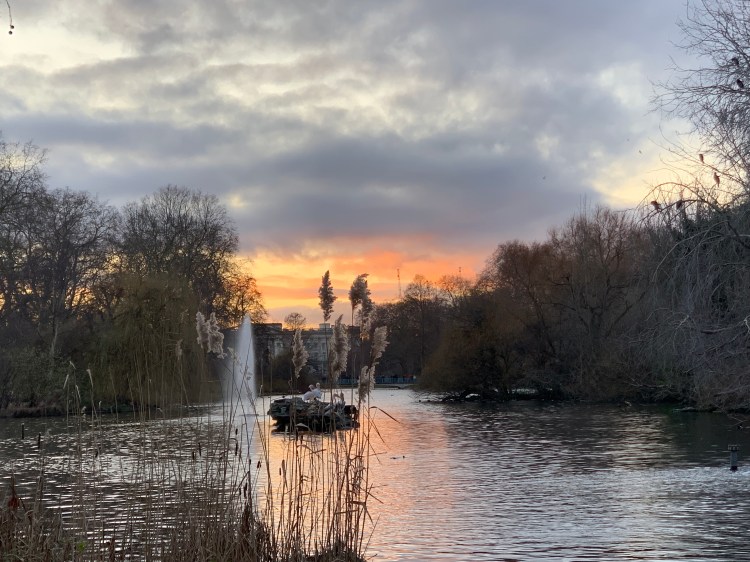
Buckingham Palace

However, traveling comes at a cost. A cost to community, a cost to relationships, and a cost to settlement.

I have spent the past month in hotels – living out of suitcases. Last year, I didn’t fully unpack my suitcases when I would come home and lived with the essentials always semi packed. That gets tiring. This year I moved and haven’t fully unpacked before leaving for a month. Which means I came home to a place that didn’t feel like home.  

Being on travel is great, but it is tiring. Between jet lag, long meetings, and the desire to see the country and people there is little, to no down time. 

I have lived in Washington DC for almost 7 years and this area did not feel like home until year 5.  It took that long to find good and caring community in a city where everyone is busy, and everyone is working to get ahead.  Community is something that I prioritize because I have seen the role it has played in my life; grounding me to who I am and to what I believe.  But the reality is when you travel for long periods of time, you miss out on the lives of the people around you.  You almost go into a surreal state for a while where you cannot keep up with those back home and both sides grow and change.  It is always interesting to come back home after a long trip because the only thing you want while you’re gone is your people but when you come back you know that life is different and you have to work your way back into changed rhythms on both sides.  It takes time and that often times causes anxiety and frustration that you have changed and have to learn those parts of your people to catch up.

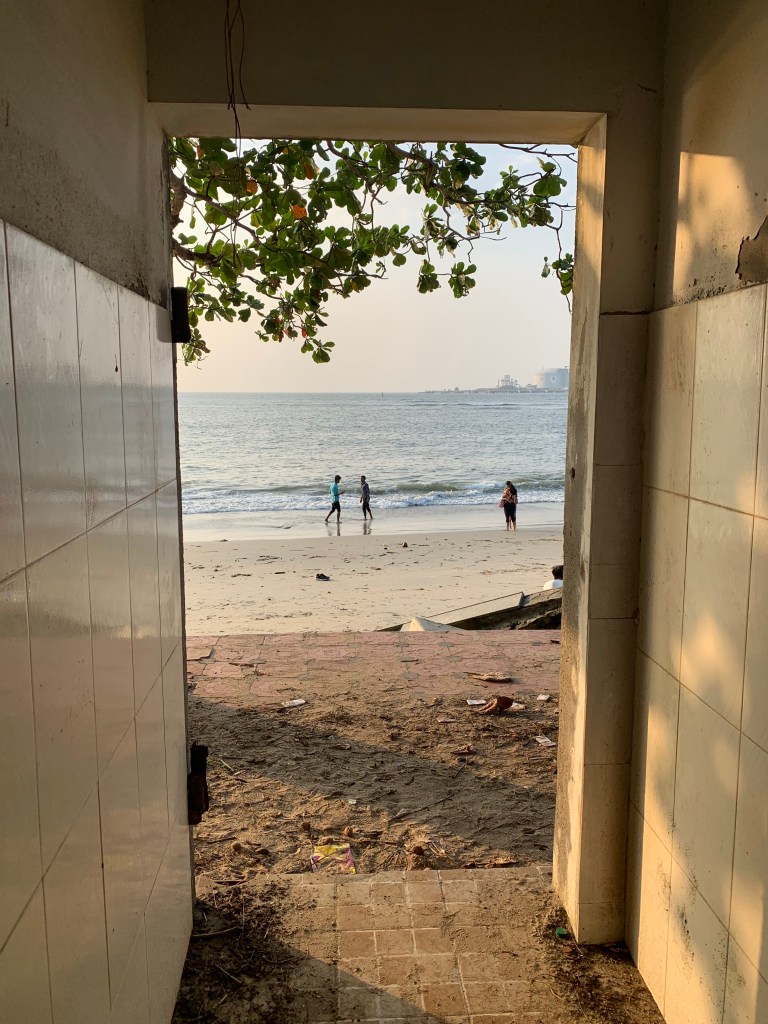
Kochi, India

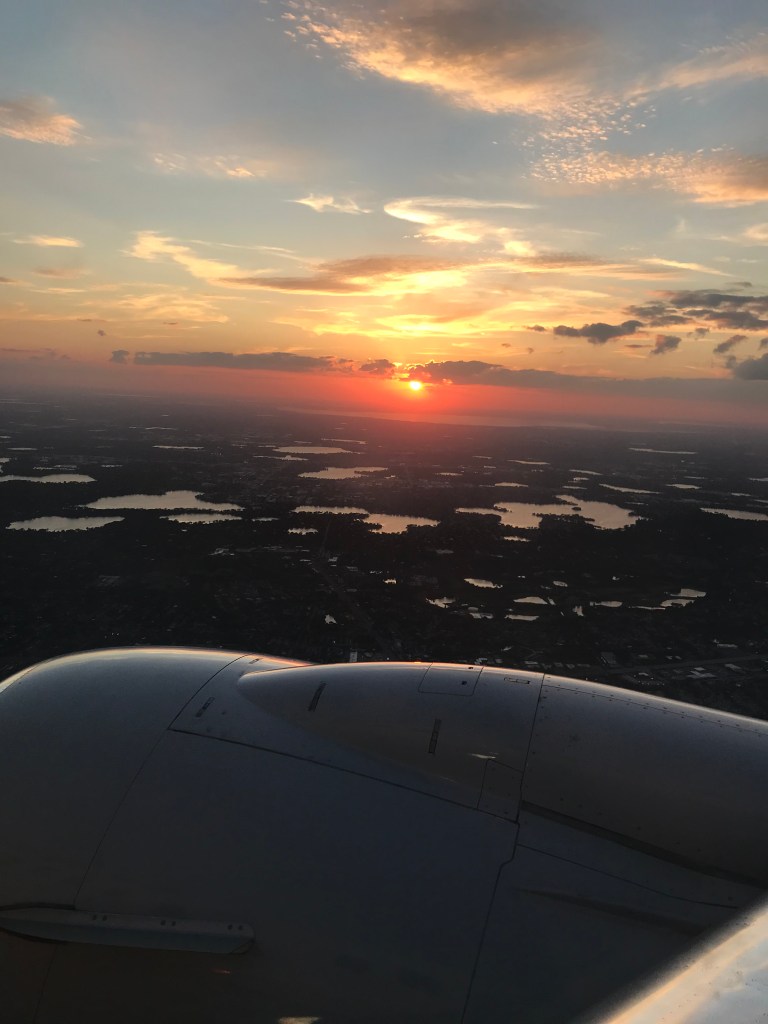
For instance, I walked off the plane in Washington DC last night after traveling for over 24 hours and being gone for a month and as soon as I hit American soil I was elated to be ‘home’.  But fast-forward 30 minutes and walking out of the airport took more courage than I thought I could muster.  Walking back into the changed lives of those I care so deeply about and myself having just had a life changing trip brought fear and a lonely feeling of disconnectedness and sadness that I had missed so much in the lives of people I love.  The same is true the other way.  The people I love missed huge life altering parts of my life the past month.  Community bounces back and it takes time to adjust, but that time is always something that I walk into expecting to feel misunderstood and out of touch.

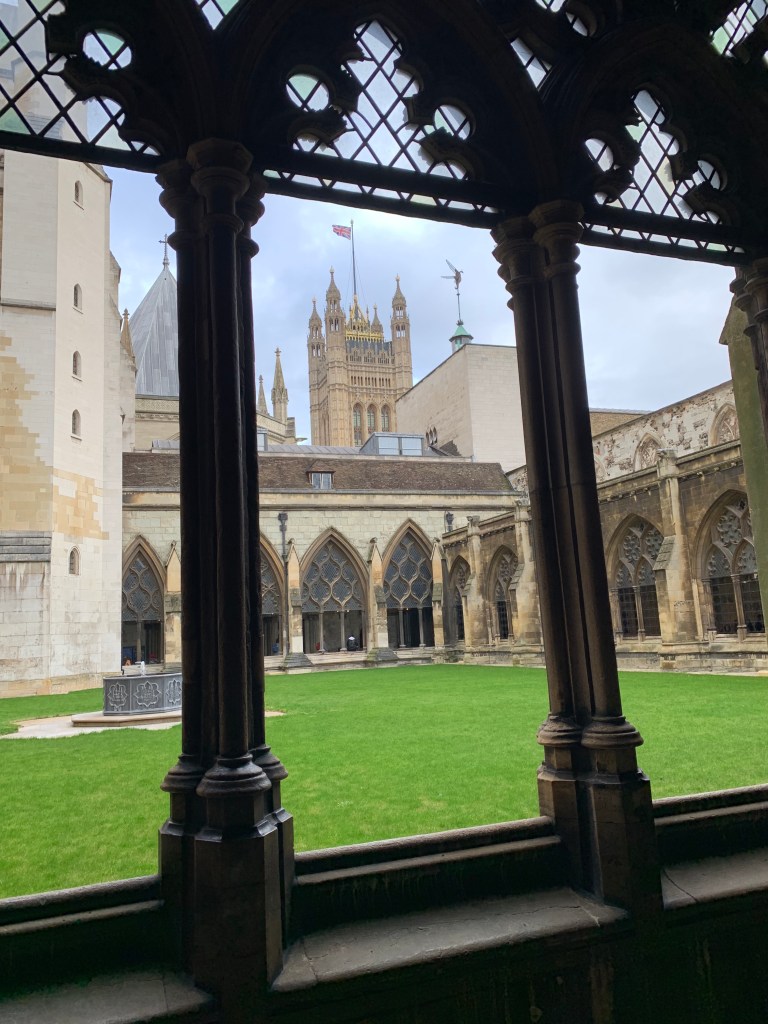
Westminster Abbey

Settlement is never fully there.  When you constantly live out of suitcases and you constantly have to adjust back into community you lose a sense of settled, a sense of ownership and comfort.  This year, I moved right before going on travel.  All of my suitcases (I have many) are still packed with clothes and I unpacked some to repack for travel.  I went on travel with half the things I normally would have thought to pack simply because I didn’t know where they were located.  I came home to a place I barely recognized, and I still have suitcases to unpack.  Settlement is good for the soul.  Settlement gives you a place to be your own, to be fully comfortable, and to be in community.

I will touch a tiny bit on relationships, to say that this past year changed everything for me.  I learned this past year that while I have little desire to be married and have children at this point in life, that I do not want this lifestyle when that happens.  That I want, for the sake of a healthy relationship, the ability to be present.  I definitely want a career in which I travel some, but not as much as I currently do. 

I love to travel, and I will do it regardless of whether it is for work or for personal trips, but it comes at a cost.  A cost that sometimes feels too heavy to carry and one that makes you learn what you really prioritize in life.  Right now, that is community, settlement, and relationships.

Daring to Hope

In a world of disorder, of 24/7 news cycles, dirty politics, wars, massacres, heartbreak, etc. daring to hope continues to be the most courageous of acts.

I think it is easy to sit in the valley and look up at the mountains in our lives and not see a way out. I think it is easy to get lost in the steepness of the climb ahead, to not see anything else around you – but what if in those moments we chose hope over defeat, hope over fear, hope over despair?

It is no secret that 2019 for me was an extremely hard year.  One in which I felt like my vision was cloudy and I was singularly focused on survival, on stopping the hurt, of easing the pain, of keeping myself in the fight. But that has its effects.  When we take our eyes off of the goal, off of those around us, we lose the ability to love and care for those around us well and that directly correlates to how we love ourselves in return. It often times curtails our passions and drive for things outside of the climb. However, hope changes that.  Hope for the end of the pain, in a different world pulls us out of that mindset – allows us to look outside of the valley.  It is courageous – it is hard, but it is necessary.

Let us be people who dare to hope for a better world – let us be a generation who hopes for more and lives and acts in that manner.  Let us choose to see the mountains – and overcome them hope by hope.

2020

2020 Goals.

Consistency.

Last year was single-handedly the most difficult year of life. I don’t underplay it, I don’t shy away from it- but I do refuse to live in it. I am fully aware that the trauma of 2019 will have deeper and deeper ramifications that manifest themselves in my life as time goes on, but the first step is being real and honest with where I am at.

2019 broke me in ways I didn’t know possible. Ways in which I hope no person ever has to face, but in ways that have taught me the struggles of our society, the struggles of living without a mask, and the struggles of having no voice. Now I am all for having difficult conversations and In this season of life I probably push them more than I should, but shallow just doesn’t cut it for me when so much depth has been laid bare this past year. I also think In difficult conversations, we have to be more willing to listen than to talk. Something this year I need to be better at.

You see situations this past year took my voice away from me. Nothing I said matter and nothing I said was heard. That’s a dangerous place for a human being to be. The mental health ramifications of that are serious, the emotional toll is deep. But we cannot simply live and act just in those pains, we must learn to move forward. So that is what 2020 is all about for me. Recognizing the manifestations of the trauma and hurt from last year and confronting them in my life, allowing me to live a consistent loving tone toward myself and most importantly toward the people around me.

So whether 2019 was a good year or a bad year for you, recognize that we all are facing deep hurts and that that in and of itself allows us to extend each other grace, but it also allows us to come to the table more easily and wrestle together through this life in community- loving and caring for each other. Be a friend-maker this year.

Reconcilers

Reconcile:

  • Restore friendly relations between
  • Cause to coexist in harmony; compatible
  • Make consistent with another
  • Settle a disagreement
  • Make someone accept

I believe we are called to be reconcilers.  I believe we are called as human beings to live in community, to show grace, to love hard, and to reconcile wrongs.

This past week I have sat on the word reconcile and have allowed the meanings of to seep into how I show myself grace, how I show others grace, and how I firmly believe that in our society today we need people willing to be reconcilers, willing to be counter-culture.

I think reconcilers are not just active in doing so with those around them but within themselves as well.  When trauma hits, I think you have to learn to reconcile the effects of that trauma with who you are. You will change and sometimes in very fundamental ways.  Trauma manifests itself in countless ways within each individual and how that manifests itself in a person is not controllable; however, how we react and how we reconcile those impacts into who we are as a human being are important.  We live in a broken, hurting world.  Hurt people, hurt people.  But what if we all learned to take a step back and reconcile trauma within ourselves?  Maybe that looks like therapy, maybe that looks like having a vulnerable conversation with a trusted friend, or maybe, just maybe, that is learning to be okay with being alone with ourselves.

Similarly, we are called to be reconciled with those around us, especially those close to us. How easy is it to be mad and just cut people out?  How easy is it to put on a mask, to give shorter answers, to only give a few details of who we are to someone?  We are relational beings, who want to be known and understood.  That cannot be done without reconciliation.  It is okay to disagree, it is okay to have a fight, but it is not okay to leave it at that.  Mental health is something that our culture is going to have to start discussing and have to take seriously- but I think that starts with being reconcilers.